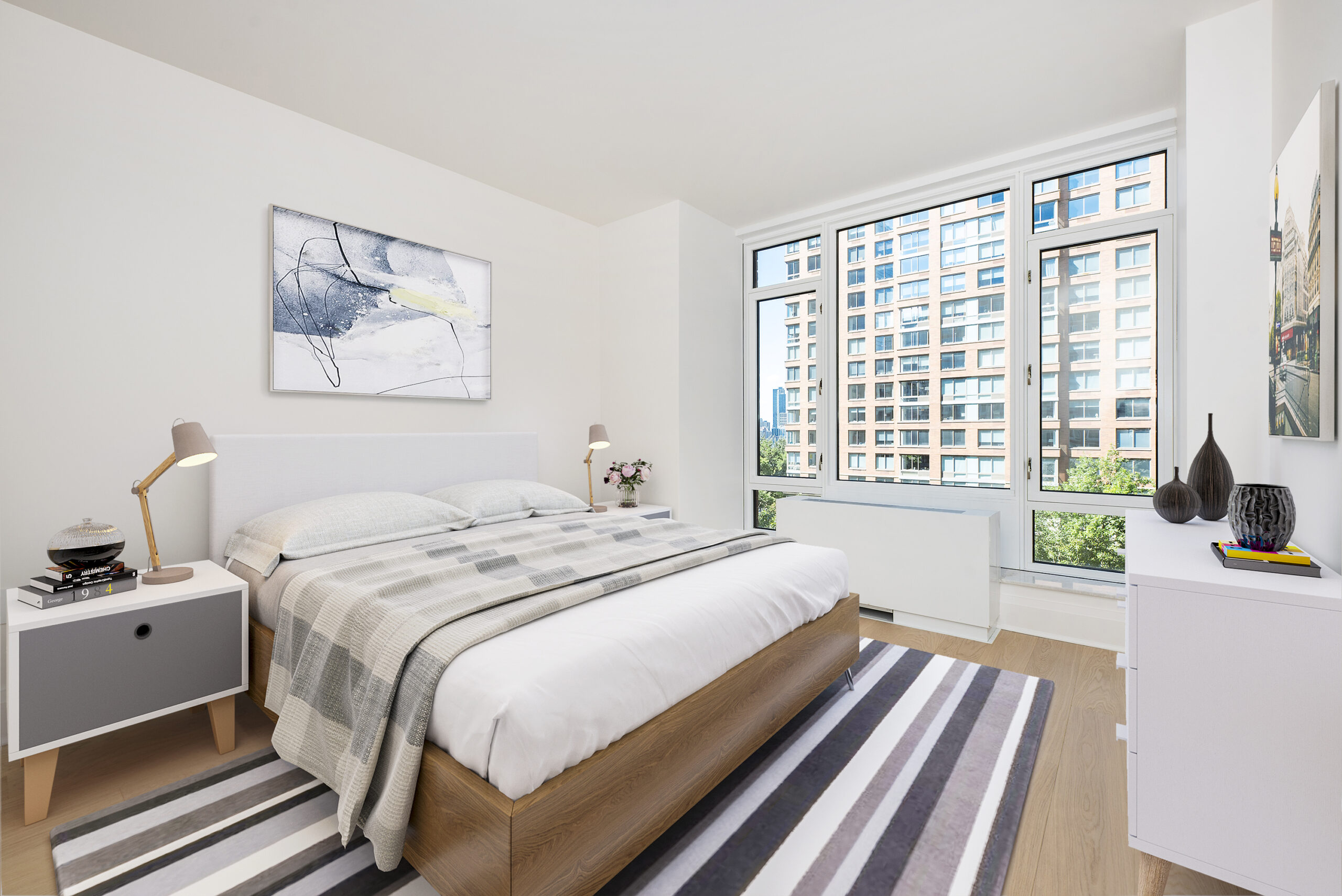
Top 5 Manhattan Condos Where Real New Yorkers Actually Live
Posted by Wei Min Tan on September 17, 2026



When people outside New York think about Manhattan luxury real estate, they often think about Billionaires’ Row: glass towers, $30 million penthouses and apartments that may sit empty for much of the year. But that isn’t necessarily where New Yorkers themselves choose to live.
Some of Manhattan’s most desirable condominium buildings aren’t simply about height, views or having the most impressive address. They’re in established neighborhoods where you can walk to restaurants, parks, grocery stores and everything else that makes New York a great place to actually live.
As a Manhattan buyer’s broker, I distinguish between a trophy property and a great New York home. The best buildings can be both.

Read about Wei Min’s style in Best Manhattan property agents and Role of a buyer’s broker.
Email to schedule a chat: tan@castle-avenue.com
Here are five Manhattan condominiums that, in my view, combine serious luxury with something equally important: a neighborhood New Yorkers actually want to live in.
1. 15 Central Park West — Upper West Side
There may be no better example of a modern condominium that feels like a classic New York building. Designed by Robert A.M. Stern, 15 Central Park West combines limestone architecture and generously proportioned apartments with the amenities and flexibility of a modern condominium.
But what makes 15 Central Park West special isn’t its famous residents or record-breaking sales. It’s location.
Central Park is outside your front door. Lincoln Center is a few blocks away. Columbus Circle is around the corner, while the restaurants, shops and neighborhood life of the Upper West Side surround you. It is extraordinarily luxurious without feeling disconnected from New York.
Why New Yorkers like it: You get trophy-level real estate while still living in one of Manhattan’s most established residential neighborhoods.
The downside: You pay an enormous premium for it.
Weimin’s article, Why Prime Real Estate Is a Core Holding for Family Wealth
2. 150 Charles Street — West Village
150 Charles Street represents something increasingly difficult to find in Manhattan: a large, modern luxury condominium in a neighborhood where new development is extremely limited. And the neighborhood happens to be the West Village.
Instead of being surrounded by other glass towers, you step outside into one of Manhattan’s most distinctive neighborhoods — tree-lined streets, historic townhouses, restaurants, cafés and the Hudson River waterfront.
The building itself delivers the amenities buyers expect from a major luxury development, including extensive fitness and wellness facilities, landscaped outdoor spaces and full-service staffing.
But the real luxury is the location. There are many newer buildings in Manhattan. There are very few opportunities to own this level of modern condominium in the heart of the West Village.
Why New Yorkers like it: You get a modern luxury building without giving up the character and lifestyle of the West Village.
The downside: Inventory, especially with a view, is extremely limited, and buyers pay a substantial premium for the location.
3. 56 Leonard Street — Tribeca
56 Leonard is one of the rare Manhattan condominiums that works simultaneously as an architectural statement and as a place to actually live.
Designed by Herzog & de Meuron, the 60-story tower is instantly recognizable because of its stacked, cantilevered design — earning it the nickname “Jenga Building.” From an investment perspective, its architectural significance gives it something many luxury towers don’t have: a truly differentiated identity.
But this article isn’t just about investment. Walk outside and you’re in Tribeca. You have neighborhood restaurants, cafés, Whole Foods, Hudson River Park and easy access to Soho and downtown Manhattan. The building offers dramatic views and extensive amenities without requiring residents to sacrifice neighborhood life. That combination is difficult to replicate.
Why New Yorkers like it: Iconic architecture and spectacular views combined with one of Manhattan’s most desirable downtown neighborhoods.
The downside: The architecture and prestige command a significant premium, and the building is considerably more high-profile than the understated Tribeca loft experience some buyers prefer. Also, south facing units look at the windowless AT&T Building.
4. 111 Murray Street — Tribeca
111 Murray represents the more contemporary side of Tribeca luxury.
The tower rises at the western edge of the neighborhood, giving many apartments open views toward the Hudson River and downtown skyline while putting residents within walking distance of virtually everything Tribeca offers. The building also has one of the strongest amenity packages downtown, including extensive fitness and wellness facilities and landscaped outdoor spaces.
Yet the reason I include 111 Murray isn’t simply the building itself. It’s how easy everyday life can be from this location. Whole Foods is nearby. Hudson River Park is a short walk away. Brookfield Place is nearby. Soho is easily accessible. And some of downtown Manhattan’s best restaurants are within walking distance.
For buyers who want a newer building but don’t want to sacrifice neighborhood life, 111 Murray offers an unusually compelling combination.
Why New Yorkers like it: Modern apartments, strong amenities, Hudson River access and the everyday convenience of Tribeca.
The downside: Buyers looking specifically for the classic Tribeca loft experience may find it too contemporary.
Deal Example: 111 Murray Street. Client’s 2 bedroom at one of Tribeca’s top condos. 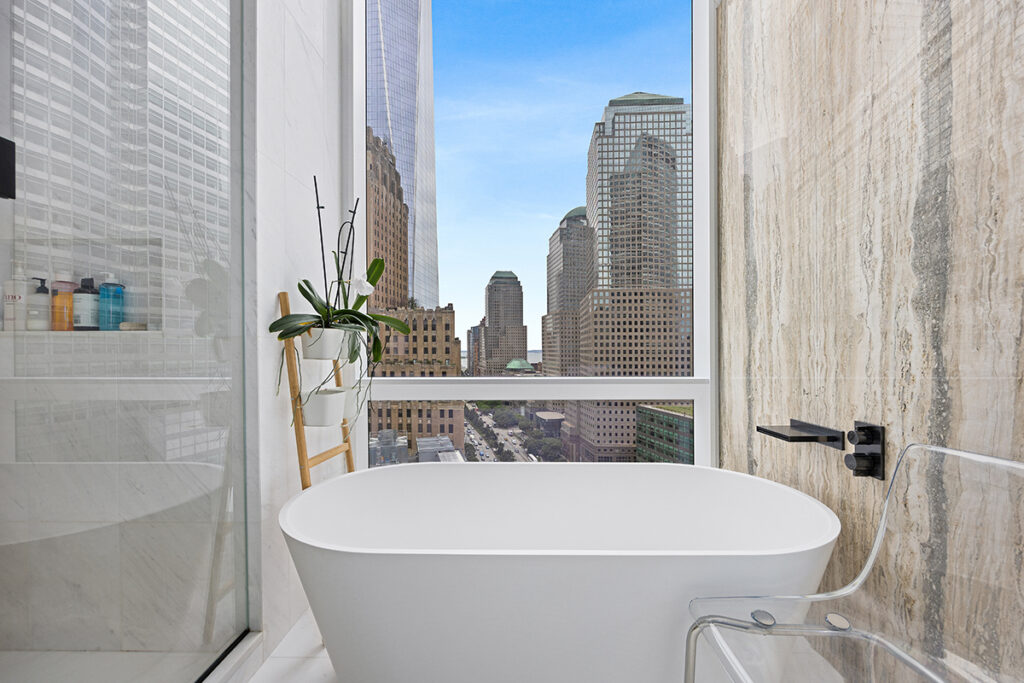
5. Four Seasons 30 Park Place — Tribeca
Four Seasons Private Residences at 30 Park Place offers something different from the other buildings on this list.
The residences sit above the Four Seasons Hotel New York Downtown, giving owners access to a level of service and amenities that is difficult for a conventional condominium to replicate. But unlike some branded residences around the world, 30 Park Place isn’t isolated from the city around it.
The building is in Tribeca. The Financial District is to the south. Brookfield Place and the Hudson River are nearby, while restaurants, shopping and transportation are all within easy walking distance.
That makes 30 Park Place particularly interesting for someone who wants the convenience and service of a five-star hotel while still experiencing downtown Manhattan as a resident.
Why New Yorkers like it: Five-star service combined with access to Tribeca and the increasingly residential lifestyle of Lower Manhattan.
The downside: Hotel-branded living isn’t for everyone, and carrying costs can be substantial.
Deal example: Buyer client purchased this two bedroom at Four Seasons in Tribeca. Rented out in 1 day with multiple offers above asking price of $20K.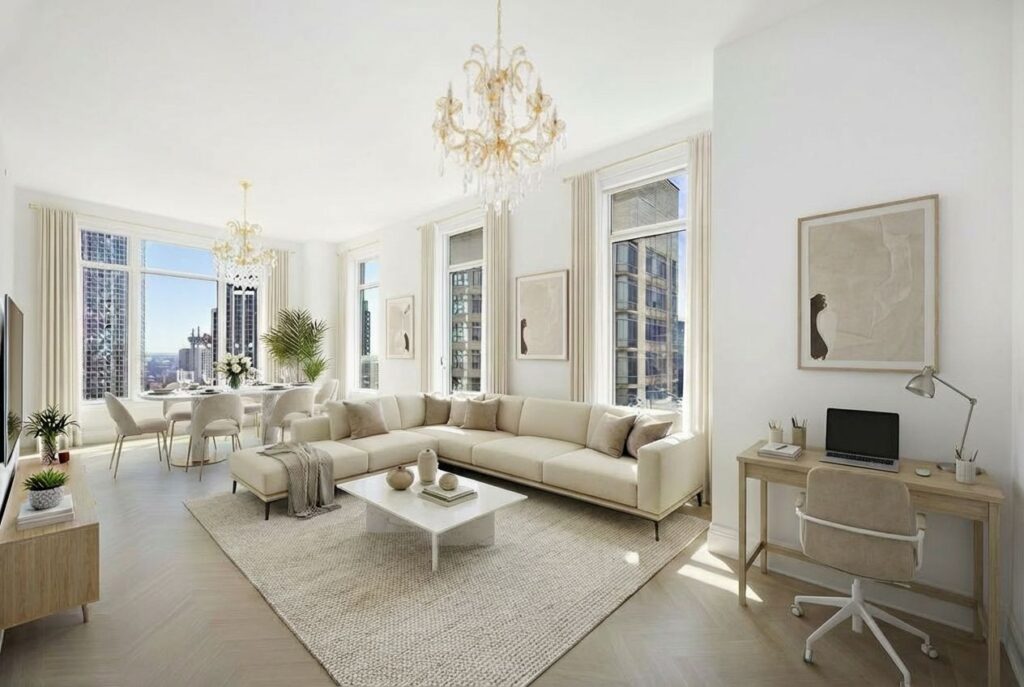
What These Five Buildings Have in Common
There’s an interesting pattern in this list. Four of the five are downtown. That isn’t accidental. Over the past two decades, downtown Manhattan has evolved from somewhere people primarily went to work into one of the city’s most desirable places to live.
Tribeca and the West Village offer something that is difficult for many newer luxury districts to manufacture: an existing neighborhood. The restaurants were already there. The parks were already there. The streets have character. People walk. You have coffee shops, grocery stores, schools, neighborhood restaurants and places you return to week after week.
15 Central Park West succeeds for much the same reason uptown. It isn’t simply a spectacular building. It sits between Central Park and an established Upper West Side neighborhood.
That’s the distinction I think luxury buyers sometimes overlook. If you’re buying a Manhattan apartment purely as a trophy, the calculation may revolve around views, height, architecture and exclusivity.
But if you’re actually going to live in New York, the calculation changes. You start thinking about where you want to have dinner on Tuesday night. Where you’re going to run Saturday morning. Whether you can walk to the park. Where you buy groceries. Whether there are people on the sidewalks when you come home.
The apartment matters. But in New York, the neighborhood is part of the apartment. And that is why some of Manhattan’s best places to live aren’t necessarily the newest or tallest buildings. They’re the buildings that give you luxury inside your home — and New York City the moment you walk out the door.
What We Do
We focus on global investors buying Manhattan condos for portfolio diversification and long term return-on-investment.
1) Identify the right buy based on objectives
2) Manage the buy process
3) Rent out the property
4) Manage tenants
5) Market the property at the eventual sale