Four Seasons Downtown Tribeca: Why 30 Park Place May Offer Better Value Today Than at Launch
Posted by Wei Min Tan on March 17, 2026



Condo Building Analysis: Four Seasons Downtown (Tribeca)
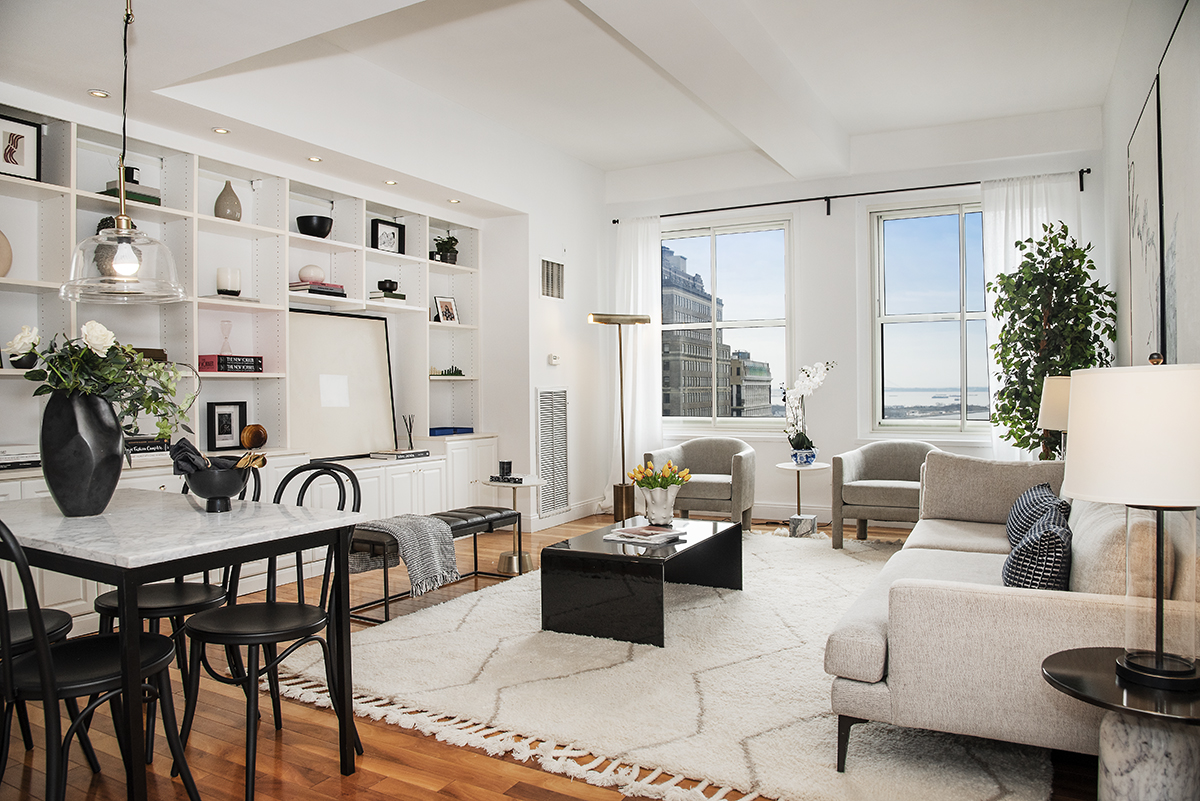
The Four Seasons Private Residences New York Downtown represents one of the most recognizable luxury towers in Downtown Manhattan. Rising above the Four Seasons Hotel at 30 Park Place, the building was designed by renowned architect Robert A. M. Stern and introduced as one of the most prestigious residential addresses in Lower Manhattan.
Nearly a decade after its debut, the building offers a revealing case study in Manhattan’s luxury market: exceptional product, but an overly ambitious launch price.
Ironically, that early pricing may now create opportunity for buyers today.

Read about Wei Min’s style in Best Manhattan property agents and Role of a buyer’s broker.
The Launch: Ambition Meets Market Reality
When the building was introduced around 2015–2016, the developer positioned the residences as an ultra-luxury product comparable to the Billionaire’s Row towers in Midtown.
Prices were set accordingly. Many units launched well above $4,000 per square foot, with larger residences and penthouses priced significantly higher.
At the time, the positioning relied on several strengths:
-
- The Four Seasons brand
- Hotel-level services
- Robert A. M. Stern architecture
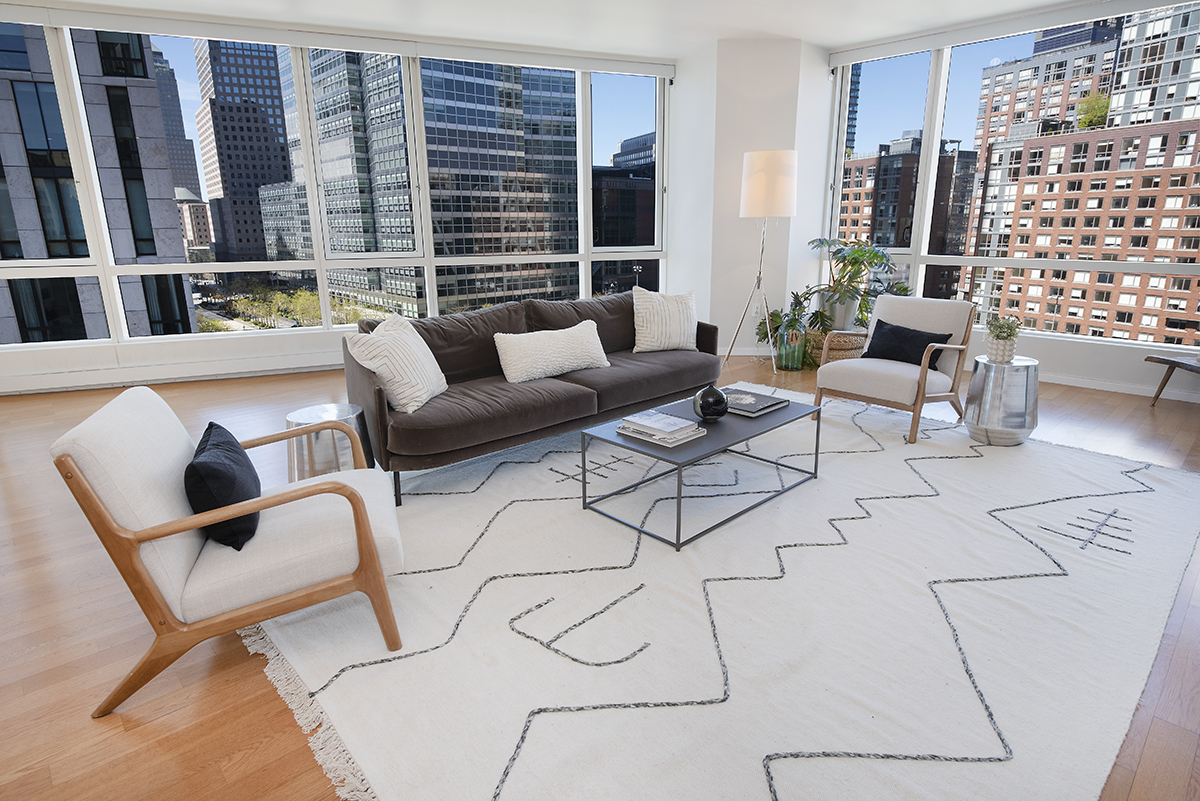
- Exceptional views over Lower Manhattan and the harbor
From a design and service perspective, the project delivered exactly what it promised. But the broader Manhattan market was entering a softening phase for luxury condos, particularly for new developments launched at ambitious price levels.
As a result, many of the original buyers effectively bought at peak pricing.
Wei Min’s article, Why Sophisticated Investors Don’t Ask Whether Global Cities Recover
The Luxury Market Cooldown (2016–2020)
The timing of the launch turned out to be challenging. Manhattan’s luxury condo market entered a multi-year cooldown shortly after the building came to market.
Several factors contributed:
-
- Oversupply of new luxury developments across Manhattan
- Rising transfer taxes on high-end purchases
- Slower foreign buyer demand
- Broader economic uncertainty leading into the pandemic
From roughly 2016 through 2020, the high-end condominium market experienced a prolonged adjustment period.
During those years:
-
- many new developments reduced pricing
- resale transactions often occurred below sponsor purchase prices
- buyers gained significantly more negotiating leverage
The Four Seasons residences were not immune to this trend. Because launch pricing was among the highest in Downtown Manhattan, some early buyers ended up owning at a higher basis than later resale values supported.
Comparison with Other Tribeca Luxury Towers
To understand where Four Seasons Downtown sits in the Tribeca market, it is helpful to compare it with two nearby luxury towers:
-
- 111 Murray Street
- 56 Leonard Street
Each building serves a slightly different buyer profile.
111 Murray Street
111 Murray is a sleek modern glass tower with one of the most extensive amenity packages in Downtown Manhattan.
Key characteristics:
-
- contemporary architecture
- expansive wellness and amenity spaces
- broad appeal among luxury buyers
Launch pricing typically ranged around $2,500–$3,200 per square foot, noticeably below Four Seasons launch levels.
Because the entry price was lower, resale values have generally been more stable relative to sponsor pricing.
56 Leonard Street
56 Leonard, designed by Herzog & de Meuron, is one of the most architecturally distinctive towers in New York.
Often referred to as the “Jenga Building,” the building appeals strongly to buyers who prioritize:
-
- architecture
- design uniqueness
- trophy residences
Pricing historically ranged around $2,800–$3,500 per square foot depending on layout and floor height.
Unlike the Four Seasons residences, the value proposition centers primarily on design and architectural identity rather than hotel service.
Price Positioning in Tribeca
Approximate launch pricing illustrates how the three buildings were positioned in the market.
| Building | Launch Price Range (Approx.) | Positioning |
| Four Seasons Downtown (30 Park Place) | $4,000+ / sq ft | Hotel-serviced ultra luxury |
| 56 Leonard | $2,800 – $3,500 / sq ft | Architectural trophy tower |
| 111 Murray | $2,500 – $3,200 / sq ft | Modern luxury with strong amenities |
The Four Seasons residences clearly launched at the top of the downtown pricing spectrum.
That prestige positioning reinforced the building’s brand, but it also increased the risk of overpaying at launch.
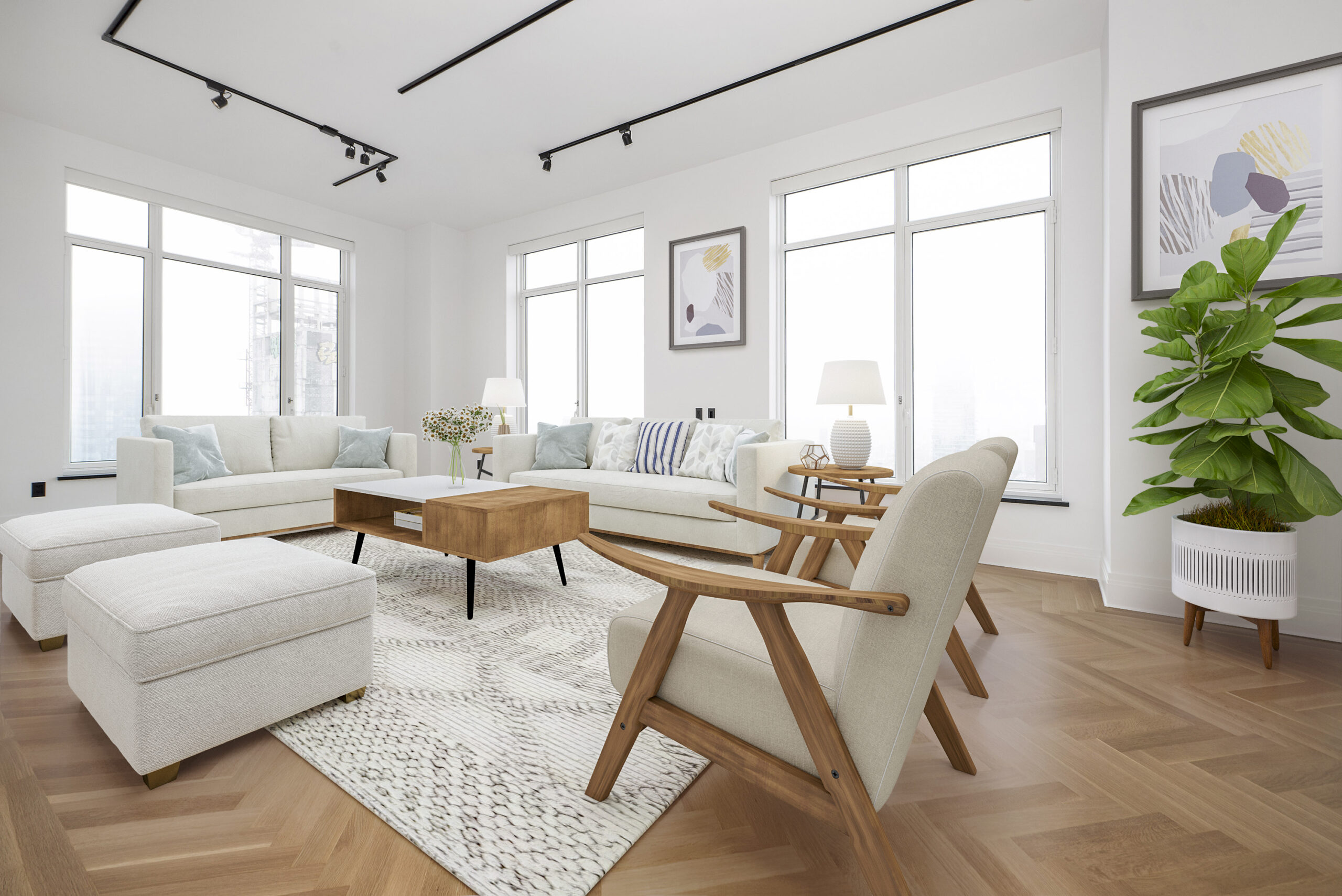
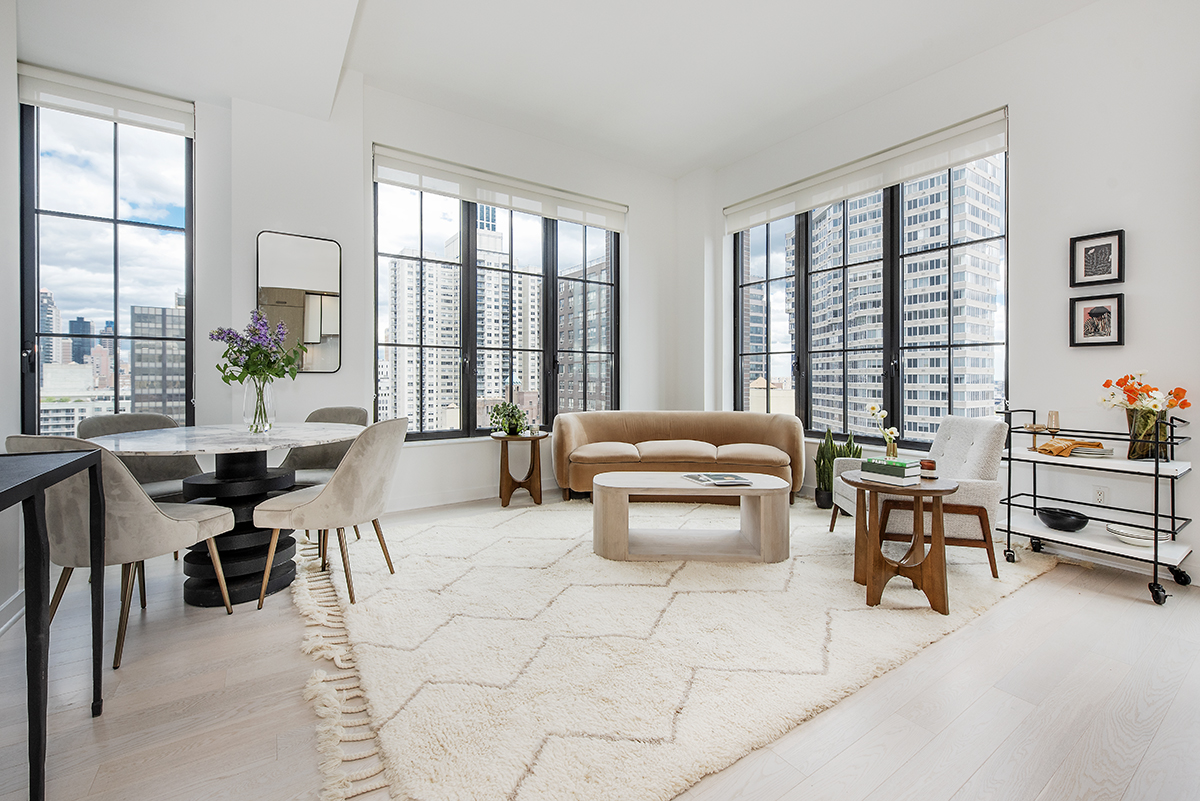
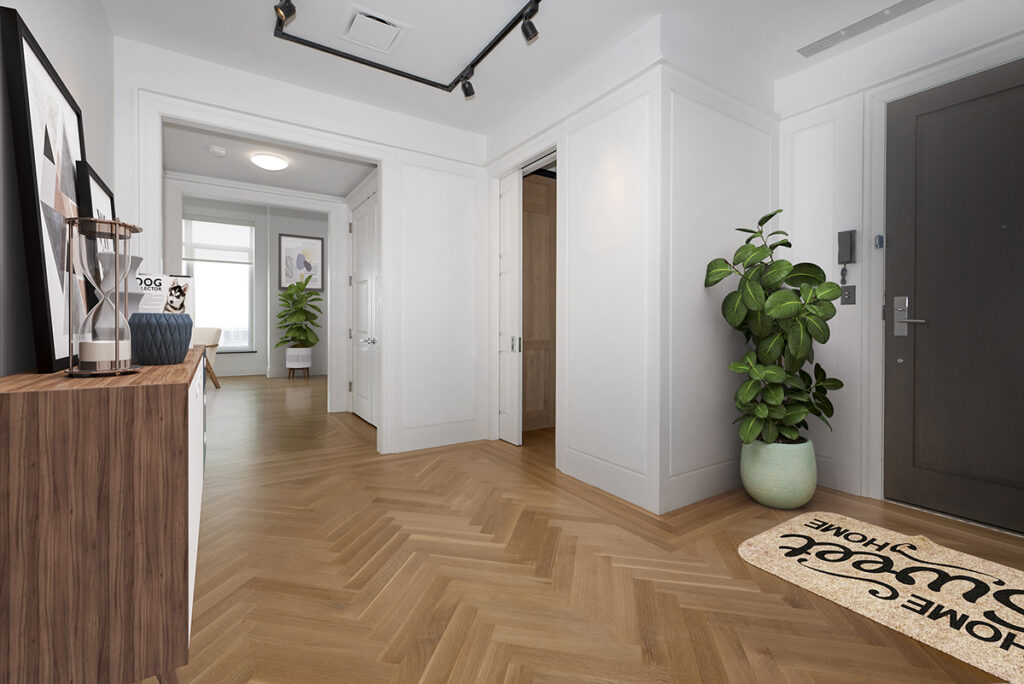
Deal example: Client’s 4 bedroom at Four Seasons Downtown, 30 Park Place. Purchased at a good discount, renovated and then rented in 2 weeks.
Why Tenants like the Four Seasons Residences
Despite the pricing volatility, one aspect of the building has remained consistently strong: tenant demand.
In many cases, discerning tenants prefer the Four Seasons residences over other Tribeca towers. Several structural factors explain this.
1. Hotel-Level Service
The Four Seasons brand delivers a service standard that most condominium buildings cannot replicate.
Residents have access to:
-
- concierge services
- spa and wellness facilities
- in-residence dining
- housekeeping services
For residents with demanding schedules, this creates a fully managed lifestyle environment that few residential buildings can match.
2. True Turnkey Living
One of the biggest advantages of the Four Seasons residences is the ease of day-to-day living.
Residents can rely on the building’s hospitality infrastructure for services that would otherwise require outside coordination, including:
-
- housekeeping
- dining
- concierge logistics
- maintenance coordination
This makes the building particularly appealing for residents seeking frictionless, hotel-style living within a private residence.
3. Privacy and Prestige
Tribeca has long been one of Manhattan’s most discreet luxury neighborhoods.
The Four Seasons residences combine that neighborhood privacy with a globally recognized hospitality brand, creating a residential environment that feels both exclusive and highly serviced.
Wei Min’s article, Property investment in New York
A More Attractive Entry Point Today
Because the building launched at aggressive pricing during a market peak, resale opportunities today can sometimes appear below original sponsor prices.
For new buyers, this effectively resets the entry point.
Instead of paying the developer’s initial premium, buyers today may be able to acquire residences closer to long-term market clearing levels.
The Bottom Line
The Four Seasons Downtown illustrates a pattern frequently seen in Manhattan’s luxury real estate cycle.
Launch prices reflect optimism.
Resale markets reflect reality.
After nearly a decade and a multi-year luxury market cooldown, the building now sits in a different position.
For buyers seeking:
-
- hotel-level service
- one of Tribeca’s most prestigious residential addresses
- strong tenant demand
select opportunities at the Four Seasons Downtown may represent a more balanced entry point than the original buyers enjoyed.
What We Do
We focus on global investors buying Manhattan condos for portfolio diversification and long term return-on-investment.
1) Identify the right buy based on objectives
2) Manage the buy process
3) Rent out the property
4) Manage tenants
5) Market the property at the eventual sale