
Best Manhattan Condo Buildings for Rental Yield
Posted by Wei Min Tan on April 29, 2026



Rental Yield in Manhattan Is Often Misunderstood
Many buyers approach Manhattan real estate expecting it to behave like other markets.
It does not.
Typical condominium yields in Manhattan are:
-
- often in the 2%–3% range
- sometimes lower for newer developments
As a result, focusing only on “yield” can lead to poor decisions.
The objective is not simply to maximize yield, but to balance:
-
- income
- liquidity
- long-term value

Read about Wei Min’s style in Best Manhattan property agents and Role of a buyer’s broker.
What Actually Drives Rental Yield
Rental yield in Manhattan is driven by three variables:
1. Building-Level Demand
This determines:
-
- leasing velocity
- consistency of occupancy
- depth of tenant demand
Buildings with stronger demand:
-
- lease more efficiently
- maintain pricing across market cycles
2. Rental Pricing (Price Per Square Foot)
Rental performance is best evaluated on a price per square foot (PPSF) basis.
This reflects:
-
- how the market values a given product type
- how competitive a unit is relative to alternatives
PPSF is influenced by:
-
- building demand
- layout efficiency
- line-specific factors such as exposure and views
3. Entry Price
Entry price is the most direct driver of yield.
The same unit can produce:
-
- average returns at one price
- materially stronger returns at another
In Manhattan, yield is typically created through pricing discipline rather than found in a specific building.
Weimin’s article, Investing in a Manhattan penthouse apartment
The Key Mistake: Looking at Buildings Instead of Units
Most buyers ask:
“Which building has the best rental yield?”
This is the wrong question.
In Manhattan:
-
- yield varies by unit
- and more specifically by line within a building
Within the same building:
-
- some lines lease consistently at strong PPSF
- others require pricing adjustments and longer marketing periods
Two apartments in the same building can behave like two different assets.
Examples of Buildings With Strong Rental Demand
These examples illustrate how different building types can support rental performance when paired with the right unit selection and pricing.
299 West 12th Street (West Village)
-
- Prewar building with consistent tenant appeal
- Strong rental demand driven by location and building character
- Units tend to achieve competitive PPSF when layouts are efficient
Within the building:
-
- line differences impact layout usability
- exposure and floor level influence pricing
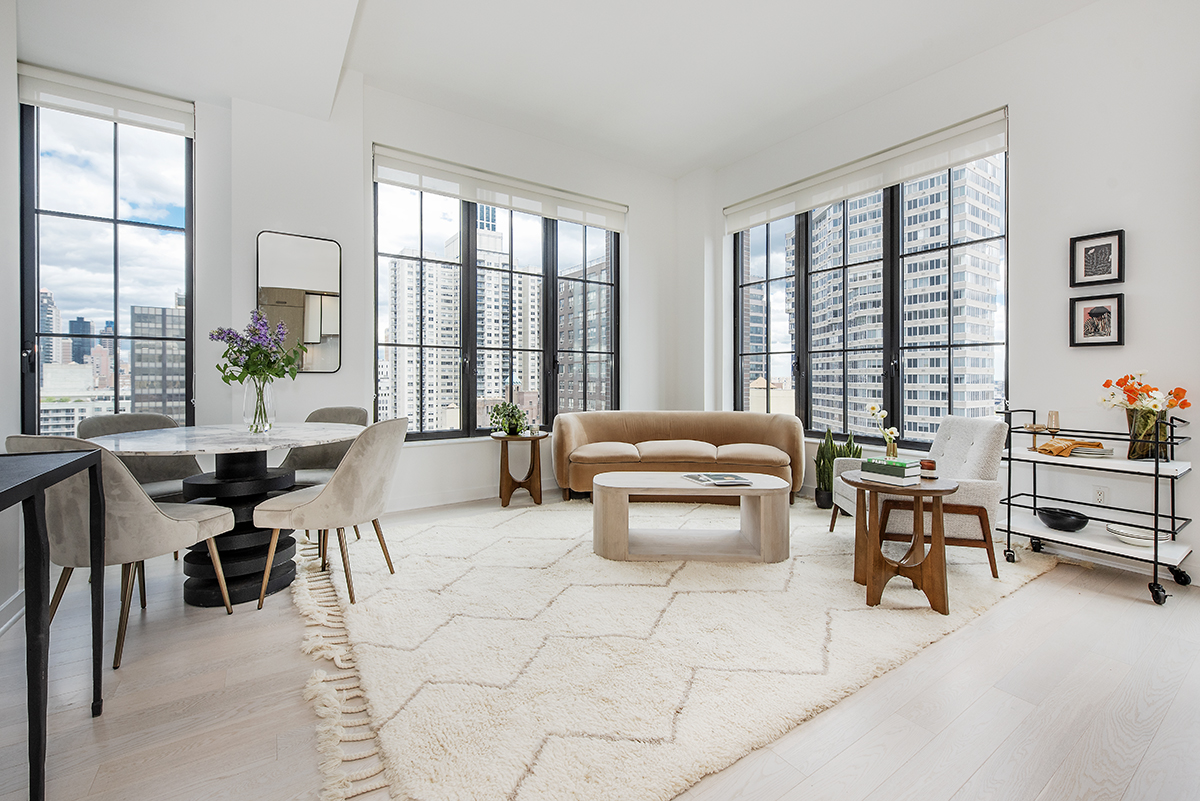
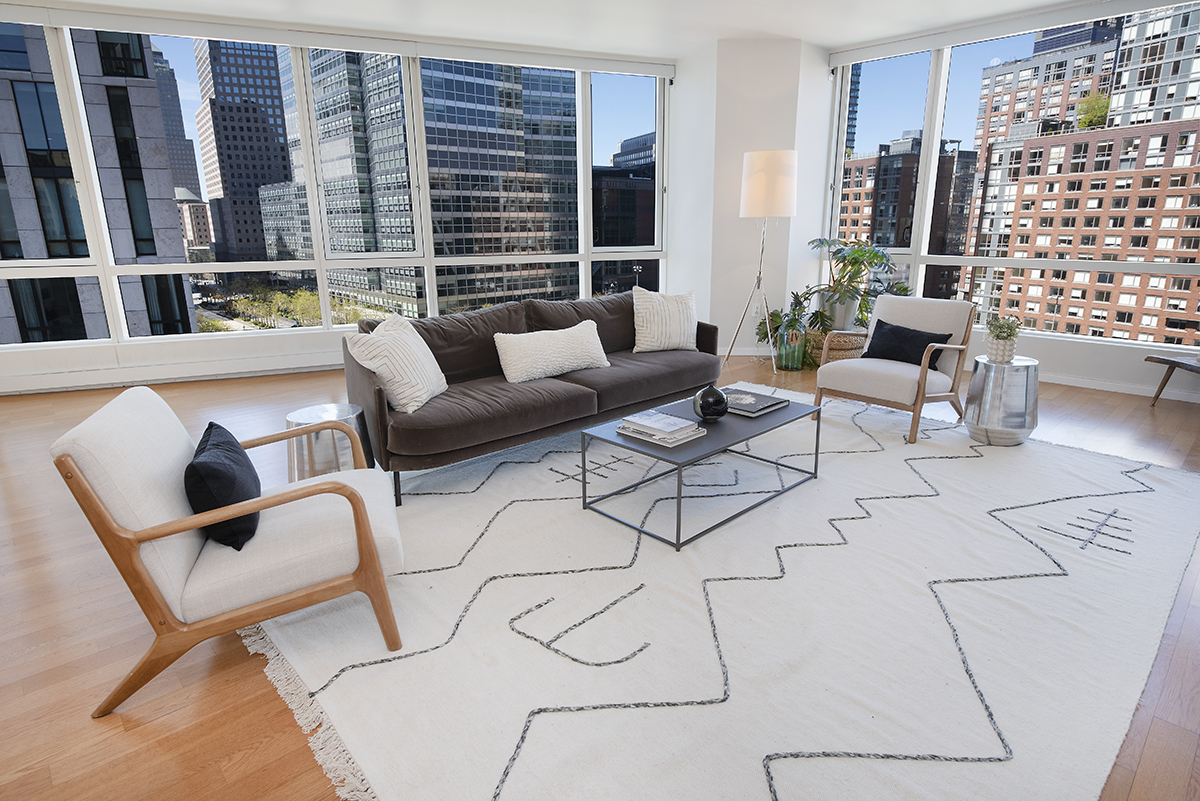
Deal Example (below): Client’s condo in West Village’s top prewar building, 299 W 12 St. Notice the beamed ceiling, fireplace and southern view of World Trade Center. We received top rents at $115 per sqft.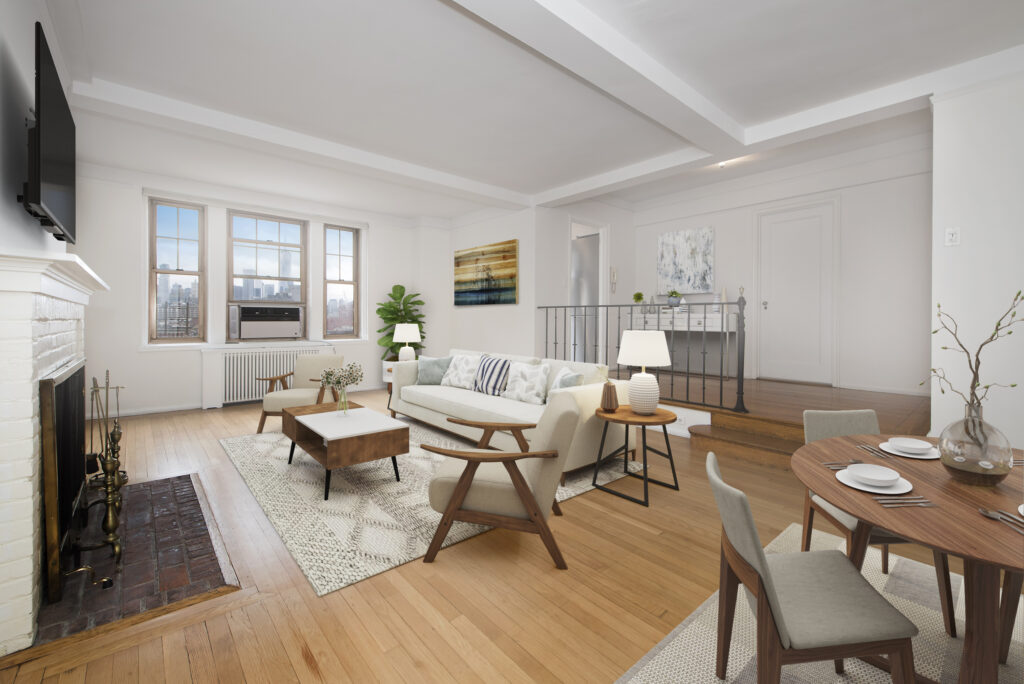
Case Study: Yield Through Structure and Entry Price
A series of acquisitions at 210 Warren Street illustrate how yield can be created through structure and pricing.
We represented multiple buyers at the launch of the building’s condop conversion.
Key characteristics:
-
- Purchase pricing was approximately 30% below comparable condominium values
- The building structure allows for rental flexibility similar to condominiums
- Units are able to achieve rents aligned with nearby condo inventory
This creates a specific outcome:
-
- Building demand supports leasing activity
- Rental PPSF remains competitive with surrounding condos
- Entry price is meaningfully lower
The result is:
a structurally improved yield profile within an otherwise compressed market
Condo vs Condop vs Co-op: Impact on Yield
Condos
-
- Flexible rental policies
- Broad tenant and buyer pool
- Predictable income profile
Condops
-
- Often priced below comparable condos
- Can offer similar rental flexibility
- Opportunity to improve yield through pricing inefficiency
Co-ops
-
- Subletting restrictions
- Reduced leasing flexibility
- Less predictable income profile
For yield-focused strategies, condos and select condops tend to be more effective structures.
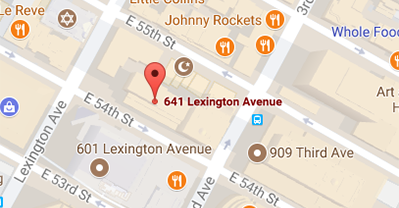
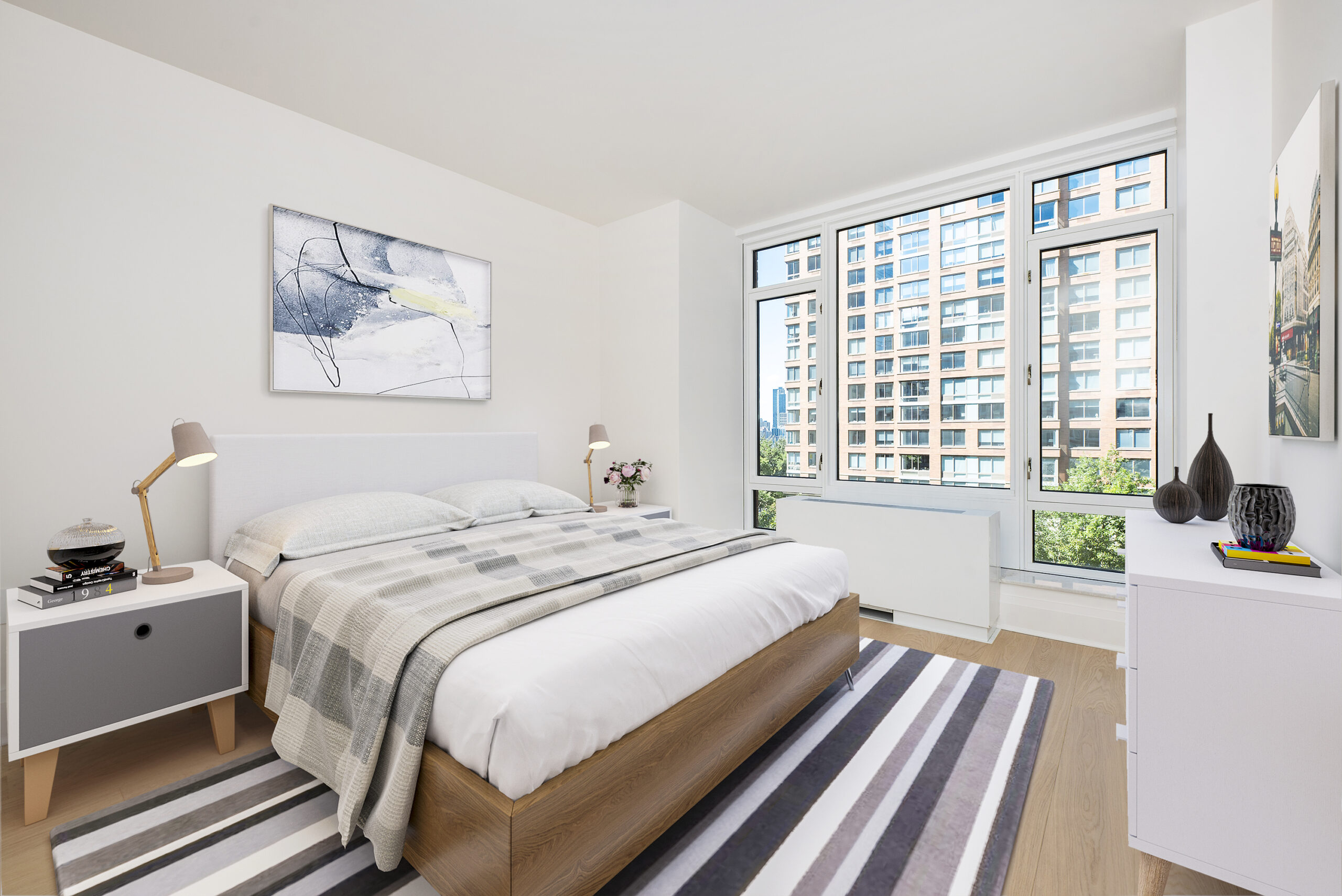
Deal Example: Client’s condo in Midtown East, close to Blackstone, Blackrock, United Nations. We booked at pre-construction, rented out immediately after closing. 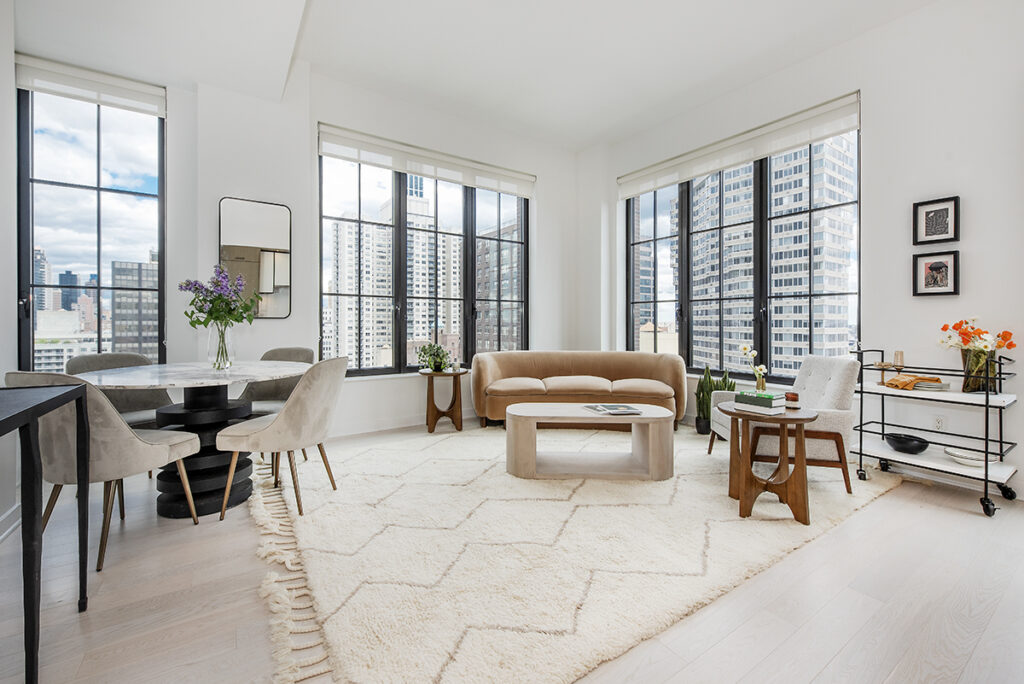
How to Think About Yield in Manhattan
Rather than asking:
“What is the highest yield building?”
A more effective framework is:
-
- Which buildings have consistent demand
- Which units achieve strong rental PPSF
- What entry price creates an attractive return relative to risk
Weimin’s article, Buying a vacation home in Manhattan
The Bottom Line
Rental yield in Manhattan is not determined at the building level.
It is determined by:
-
- building demand
- rental pricing (PPSF)
- entry price
Work With Us
If you are evaluating Manhattan real estate from a rental yield perspective, we provide:
-
- building and line-level analysis
- identification of units with stronger leasing profiles
- guidance on pricing and acquisition strategy
- ongoing support for leasing and management
Contact us to discuss your investment approach.
What We Do
We focus on global investors buying Manhattan condos for portfolio diversification and long term return-on-investment.
1) Identify the right buy based on objectives
2) Manage the buy process
3) Rent out the property
4) Manage tenants
5) Market the property at the eventual sale